The Ultimate Guide To Choosing The Right Digging Fork For Your Garden
Introduction
A digging fork is a gardening essential for turning compost, loosening soil, and weeding. But with so many different forks on the market, it can be tough to know which one is right for you.
In this guide, we'll walk you through the factors to consider when choosing a digging fork, so you can find the perfect one for your needs.
What is a digging fork?
A digging fork is a long-handled tool with a head that is made up of several tines. The tines are typically sharp and sturdy, and they are designed to penetrate the soil and break it up.
Digging forks are used for a variety of tasks in the garden, including:
- Turning compost
- Loosening soil
- Weeding
- Aerating soil
- Planting
- Transplanting
Types of digging forks
There are two main types of digging forks: garden forks and manure forks.
Garden forks are the most common type of digging fork. They have short, sturdy tines that are designed for breaking up soil and compost. Garden forks are a good choice for most gardening tasks.
Manure forks have longer, thinner tines that are designed for turning manure. They are also a good choice for weeding, as the long tines can reach deep into the soil.
Choosing the right digging fork
When choosing a digging fork, there are a few factors to consider:
- The size of your garden. If you have a small garden, you may not need a large digging fork. However, if you have a large garden, you'll need a fork that is long enough to reach the center of the bed.
- The type of soil you have. If you have hard, compacted soil, you'll need a fork with strong tines that can penetrate the soil easily. If you have sandy soil, you'll need a fork with thinner tines that won't get stuck in the sand.
- Your personal preference. Some people prefer forks with wooden handles, while others prefer plastic handles. Some people also prefer forks with a D-shaped handle, while others prefer a straight handle.
Once you've considered these factors, you'll be able to choose the right digging fork for your needs.
Conclusion
A digging fork is a versatile tool that can be used for a variety of gardening tasks. By choosing the right fork for your needs, you can make gardening easier and more enjoyable.
Here are some additional tips for choosing a digging fork:
- Read reviews. Before you buy a digging fork, read reviews from other gardeners to see what they think of the product.
- Buy from a reputable dealer. Make sure you buy your digging fork from a reputable dealer so that you can be sure of the quality of the product.
- Take care of your fork. After you use your digging fork, clean it off and store it in a dry place. This will help to extend the life of your fork.
With these tips in mind, you'll be sure to find the perfect digging fork for your garden.
Digging forks are an essential tool for any gardener. They are used to loosen, lift, and turn over soil, making it easier for plants to grow. There are many different types of digging forks available, so it is important to choose one that is the right size and type for your needs.
For more information about digging forks, please visit Home Gardening.
FAQ of digging fork
- What is a digging fork?
A digging fork is a gardening tool with a long handle and a head with several short, sturdy tines. It is used for loosening, lifting, and turning over soil. Digging forks are ideal for working in compacted, clay, or rocky soils, as the tines can penetrate these difficult soils more easily than a spade.
- What are the different types of digging forks?
There are two main types of digging forks: spading forks and garden forks. Spading forks have longer handles and more tines than garden forks, making them better suited for digging large areas. Garden forks have shorter handles and fewer tines, making them better suited for smaller areas or for tasks such as transplanting plants.
- What are the benefits of using a digging fork?
Digging forks offer a number of benefits over other gardening tools, including:
* They are easier on your back than a spade, as you do not have to bend over as much.
* They are more effective at loosening compacted soil.
* They can be used to transplant plants without damaging their roots.
* They can be used to turn compost or mulch.
- How do I choose the right digging fork?
When choosing a digging fork, there are a few factors to consider, including:
* The size of your garden. If you have a large garden, you will need a spading fork with a long handle. If you have a small garden, you can get away with a garden fork with a shorter handle.
* The type of soil you have. If you have compacted soil, you will need a digging fork with sturdy tines. If you have loose soil, you can get away with a digging fork with thinner tines.
* The tasks you will be using the digging fork for. If you will be using the digging fork for a variety of tasks, you will need a spading fork. If you will be using the digging fork for specific tasks, such as transplanting plants, you can get away with a garden fork.
- How do I use a digging fork?
To use a digging fork, stand with your feet shoulder-width apart and grip the handle with both hands. Insert the tines into the soil and push down with your legs. As you push down, twist the fork to loosen the soil. Once the soil is loosened, you can use the fork to lift and turn it over.
Image of digging fork
10 different images of digging fork that are free to use:
- Garden fork with wooden handle.
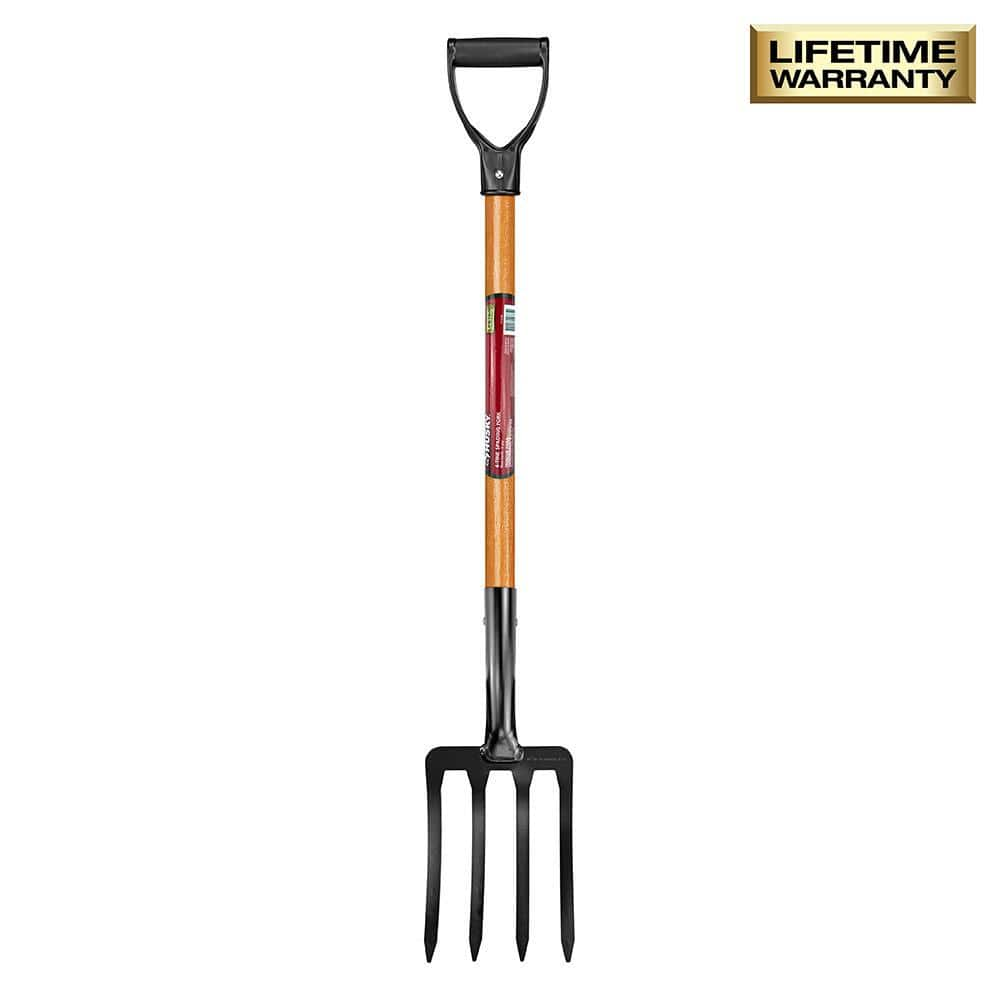
- Digging fork with metal handle.

- Digging fork with long tines.

- Digging fork with short tines.

- Digging fork with curved tines.

- Digging fork with straight tines.

- Digging fork with pointed tines.

- Digging fork with blunt tines.

- Digging fork with plastic handle.

- Digging fork with fiberglass handle.

All of these images are free to use under the Creative Commons Zero (CC0) license, which means you can use them for any purpose without attribution.

Post a Comment for "The Ultimate Guide To Choosing The Right Digging Fork For Your Garden"